
Practical HVAC Maintenance Habits That Lower Energy Consumption
When people think about shrinking their carbon footprint, they usually picture the big, dramatic choices: buying an electric vehicle, installing solar panels, or overhauling their diet. These are meaningful steps, no doubt. Yet a quiet, powerful opportunity sits in almost every building: your HVAC system. Your HVAC system is likely one of the largest single consumers of energy in your household. It can account for close to half of total energy use, depending on climate and home size. Yet it is also one of the most neglected pieces of equipment people own.
You don’t need a costly system replacement to make a real difference. Simple, low-cost maintenance delivers immediate results. Simple, consistent maintenance takes minutes rather than months. Yet these quick habits meaningfully cut your home’s total energy consumption. Less energy consumption means less demand placed on power plants, many of which still burn fossil fuels to generate electricity. A well-maintained HVAC system protects your wallet and keeps you comfortable. Even better, it delivers a direct, measurable reduction in household greenhouse gas emissions.
This guide shows how routine HVAC care directly cuts your carbon footprint. You’ll learn key habits and build a simple routine to keep your system running efficiently year-round.
Why Your HVAC System Has Such an Outsized Environmental Impact
To understand why maintenance matters so much, it helps to understand how HVAC systems consume energy in the first place. Heating and cooling systems rely on motors, compressors, and fans to move air across coils and filters. Every part of that process draws electricity or burns fuel to control your climate. Clean, calibrated components keep your system operating at peak efficiency. The unit uses only the exact energy needed to reach your target temperature.
Most HVAC problems don’t trigger an immediate breakdown. Instead, dust builds up, filters fill with debris, and sensors slowly drift out of alignment. Your system keeps running, but it loses efficiency every day. It has to pull extra power just to maintain basic airflow. Over time, restricted components force the unit into overdrive. That hidden strain can inflate your energy bills and carbon emissions by twenty to thirty percent.
That extra energy has to come from somewhere. Fossil fuels like coal and gas still power most regional grids. That means every wasted kilowatt-hour directly increases carbon emissions. Multiply that inefficiency across millions of homes, and the numbers become substantial. According to the U.S. Heating and cooling account for the majority of home energy use nationwide, according to the Department of Energy. That makes HVAC efficiency one of the single most impactful levers you can pull to reduce your environmental impact.
There is also an indirect carbon cost tied to equipment lifespan. A poorly maintained system wears out faster, meaning it needs to be replaced sooner. Manufacturing a new furnace, heat pump, or air conditioner requires raw materials and energy-heavy production. Every step of that process, from factory assembly to final transport, carries a heavy embedded carbon footprint. By keeping your existing system running efficiently for as long as possible, you avoid triggering that entire manufacturing cycle prematurely.
Practical Maintenance Habits That Lower Energy Use
Cutting emissions through maintenance isn’t a complex or abstract idea. It boils down to a few concrete habits that work on any system, from aging furnaces to brand-new heat pumps.
Replace or clean filters regularly. This is the single easiest thing you can do, and it is astonishing how often it gets overlooked. A clogged filter restricts airflow, forcing the blower motor to work harder and reducing overall efficiency. Depending on the type of filter and how much dust or pet hair is in your home, filters generally should be checked every one to three months. Set a recurring reminder on your phone if you tend to forget.
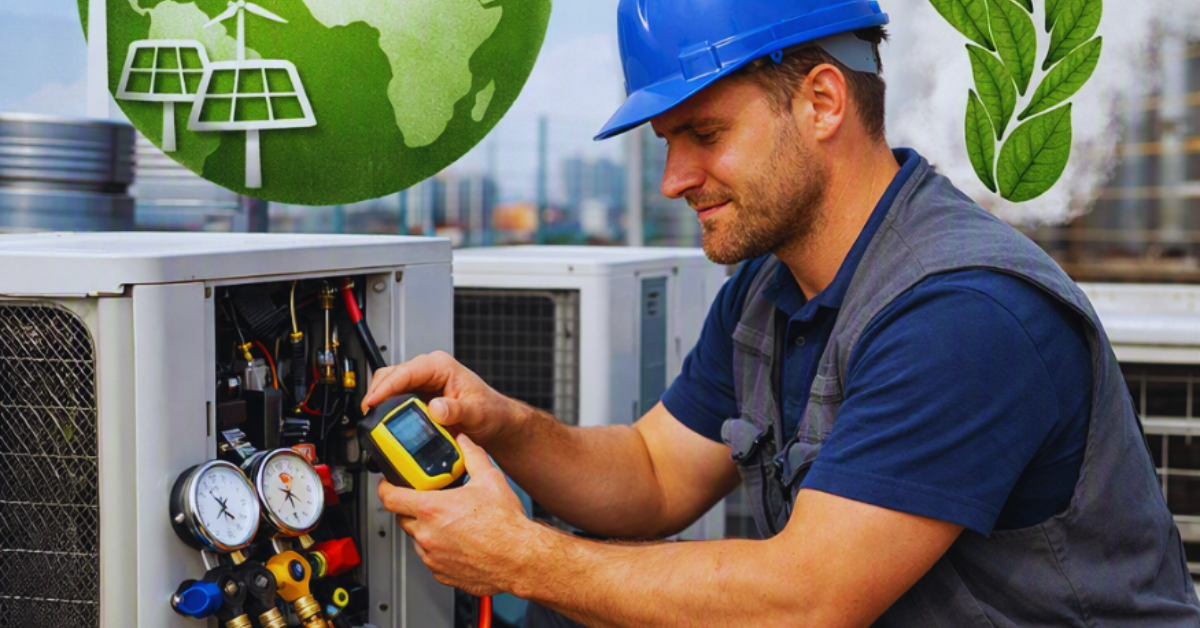
Schedule annual professional tune-ups. A trained technician can catch problems long before they become expensive failures or efficiency drains. During a typical tune-up, a technician will check refrigerant levels, inspect electrical connections, lubricate moving parts, verify that the thermostat is calibrated correctly, and clean components that are difficult for homeowners to reach safely. Annual servicing, ideally once in spring for cooling systems and once in fall for heating systems, keeps everything running as close to factory specifications as possible.
Keep outdoor units clear. If you have a central air conditioner or heat pump, the outdoor condenser unit needs adequate airflow to function properly. Leaves, grass clippings, dirt, and overgrown shrubs can block that airflow, causing the unit to overheat or underperform. A few minutes spent clearing debris around the unit and gently rinsing it off with a hose each season can noticeably improve performance.
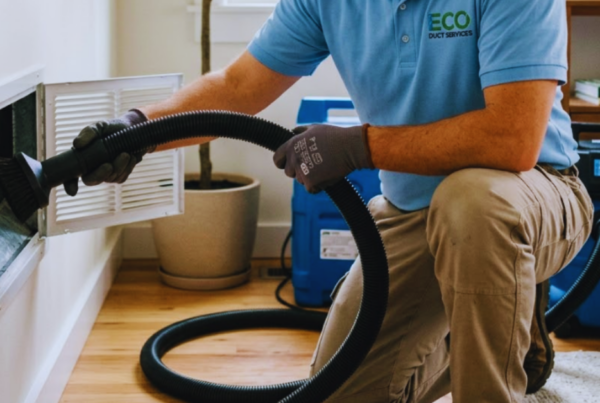
Seal and insulate ductwork. Ducts that run through attics, basements, or crawl spaces often develop small leaks or gaps at the joints over time. Air escaping through these leaks is essentially wasted energy; you are paying to heat or cool air that never actually reaches your living space. Sealing visible gaps with mastic sealant or metal tape, and ensuring ducts are properly insulated, can meaningfully reduce energy loss. In some cases, especially in older homes, a periodic air duct cleaning can also help by removing built-up dust and debris that restricts airflow and forces the system to compensate.
Check and calibrate your thermostat. An inaccurate thermostat can cause your system to run longer than necessary or cycle on and off inefficiently. Upgrading to a programmable or smart thermostat, and making sure it is placed away from direct sunlight or drafts that could skew its readings, helps ensure your system only runs when it truly needs to.
Maintain proper insulation and weatherstripping around the home. While not technically part of the HVAC unit itself, the building envelope directly affects how hard your system has to work. Gaps around windows, doors, and attic access points let conditioned air escape, forcing your HVAC system to run more often to maintain the same indoor temperature.
Each of these habits, on its own, might seem small. Together, they compound into a system that runs the way it was designed to, using the minimum energy necessary rather than fighting against accumulated inefficiencies.
The Broader Environmental and Financial Payoff
It is worth stepping back to look at the bigger picture that these small habits add up to. Residential and commercial buildings collectively account for a substantial share of total energy consumption and carbon emissions in most developed countries, and heating and cooling represent the largest slice of that pie. This means that HVAC efficiency is not a niche environmental concern; it is one of the most significant, actionable levers available to reduce emissions at scale.
When you maintain your system properly, you are directly reducing the amount of electricity or fuel your household consumes. Less consumption means less strain on the power grid, particularly during peak demand periods in summer and winter when grid operators often rely on the least efficient, most carbon-intensive power plants to meet spikes in usage. By running an efficient system, you help flatten that peak demand curve, which has ripple effects across the entire energy system.
There is also a financial dimension that reinforces the environmental one. Energy waste from a poorly maintained HVAC system shows up directly on utility bills. Homeowners who commit to regular maintenance routines typically see noticeably lower heating and cooling costs over time, along with fewer costly emergency repairs. In this sense, HVAC maintenance is one of the rare actions where financial self-interest and environmental responsibility point in exactly the same direction. You do not have to choose between saving money and reducing your carbon footprint; a well-maintained system delivers both simultaneously.
Beyond the individual household, there is a longer-term systemic benefit as well. Individual efficiency habits quickly add up across thousands of households. Softening the overall grid load removes the need to burn extra fossil fuels during peak hours. It also extends the useful life of existing HVAC equipment across the housing stock, reducing the manufacturing and disposal footprint associated with premature replacements. None of this requires new technology or significant upfront investment; it simply requires consistency and attention to a system that too often runs unnoticed in the background of daily life.
Building a Maintenance Routine That Sticks
Knowing what to do is only half the equation; actually doing it consistently is where most people fall short. The most effective approach is to treat HVAC maintenance the way you treat other recurring home responsibilities, like changing smoke detector batteries or rotating tires. Building it into a calendar with specific reminders removes the guesswork and prevents months or years from slipping by unnoticed.
A simple seasonal checklist works well for most households. In early spring, before the cooling season begins, check filters, clear the outdoor unit, and schedule a professional tune-up for the air conditioning side of the system. Before heating season begins in the fall, give your heating system a full checkup. Swap out clogged filters, seal any duct leaks, and ensure your thermostat reads accurately. Between these seasonal checkpoints, a quick monthly filter check takes only a few minutes and prevents the gradual buildup that erodes efficiency over time.
Keeping a simple maintenance log, even just a note on your phone with dates and what was done, helps you spot patterns and stay accountable. It also becomes useful information if you ever need to sell your home or troubleshoot a recurring issue with a technician.
Complete the Loop: Smart Maintenance and Responsible E-Waste
Reducing your personal carbon footprint does not always require sweeping lifestyle changes or expensive new technology. Sometimes the most impactful thing you can do is simply take better care of the equipment you already have. Your HVAC system quietly shapes a huge portion of your energy consumption. Clean filters, sealed ductwork, and annual tune-ups make an immediate difference. And when it comes time to upgrade old electronics or clear out obsolete office gear, Living Green Technology makes sustainable disposal easy. With dedicated business e-waste pickup services, ensuring your entire operation runs cleaner and greener from the inside out. Schedule a Business pickup or visit our services page to learn more.