

Every business operates through process management: a chain of tasks, decisions, and handoffs. But when those chains aren’t clearly defined, things fall apart: duplicated work, missed steps, slow response times. Business Process Management (BPM) offers a way to fix that.
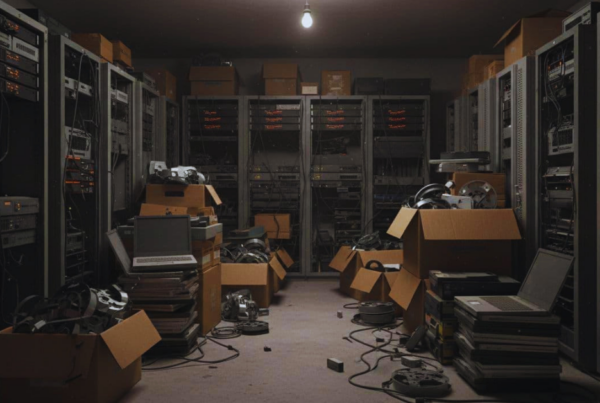
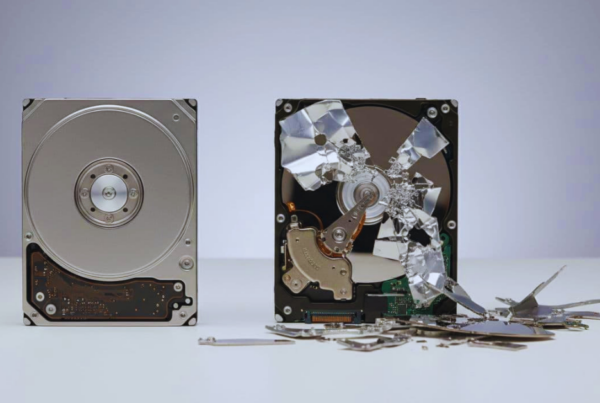
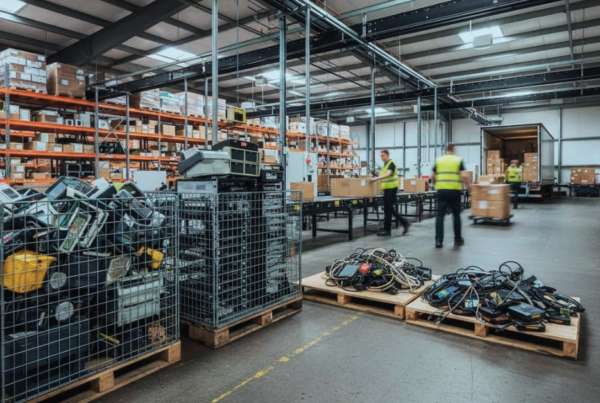
At Living Green Technology, we’ve seen firsthand how clearer systems can amplify both efficiency and sustainability. Managing e-waste responsibly requires precise coordination from collection and sorting to secure data destruction and material recovery. BPM helps us make those complex workflows transparent and accountable, ensuring that nothing slips through the cracks.
Context
- What BPM Really Means
- Inside the BPM Lifecycle
- Where Automation Fits in BPM
- Utilizing Helpful Tools
- Business Outcomes Driven by BPM
- Governance, Feedback, and Adjustments
- Adapting and Scaling with BMP
What BPM Really Means
BPM means getting a grip on how your business runs, not just what you do, but how you do it. It starts by making daily operations visible and repeatable. Think of it as an operating manual that evolves with your business in an assembly line.
For Living Green Technology, that means defining each step of our recycling process from customer pickup scheduling to responsible downstream tracking. When every task has a clear owner and outcome, we minimize waste and maximize recovery. Done well, BPM creates consistency, reduces confusion, and builds trust with customers who care about ethical recycling.
Inside the BPM Lifecycle
BPM unfolds in four repeating steps: design, execute, monitor, refine.
You start by mapping out what the process really looks like. Then, you run it and watch where it slows, breaks, or confuses. Those pain points become improvement targets.
For example, our team at Living Green Technology constantly monitors how electronics are received, documented, and processed. When we find a step that slows down tracking or reporting, we refine it. Over time, this cycle of feedback and adjustment has helped us streamline collection routes, improve reporting accuracy, and shorten turnaround times for clients.
Where Automation Fits in BPM
Automation supports BPM but doesn’t replace it. It clears the clutter such as repetitive approvals, data transfers, and notifications. The key is fitting automation into the process, not bolting it on afterward. It frees up your team to focus on work that needs real thinking. Automation sharpens BPM when it’s used with intention.
Our systems use automation to track serialized equipment, manage recycling certificates, and trigger customer updates automatically. This ensures transparency and frees our team to focus on sustainability goals such as finding better second-life uses for refurbished equipment.
Utilizing Helpful Tools
In document-heavy workflows, tools like AI summarizers and digital dashboards help teams move faster. This is a good one for extracting key information from long reports or proposals, and this kind of tool speeds up review and response times. For us, digitized inventory tracking and reporting tools are essential to staying compliant and responsive. They keep customers informed about where their devices go and help us analyze performance data without getting buried in paperwork.
Business Outcomes Driven by BPM
Clear processes lead to sharper results. With BPM, you spend less time putting out fires and more time scaling what works. For Living Green Technology, BPM has enabled us to handle higher volumes of e-waste responsibly while maintaining strict data security and environmental standards. It’s not just about efficiency, but it’s about ensuring sustainability at scale.
Governance, Feedback, and Adjustment
Even the best systems need tuning. BPM provides checkpoints to ask, is this still working? It helps teams spot problems early, track key metrics, and adjust before things break. Instead of relying on gut feelings, you have clear performance signals. Small changes compound into better systems. And those systems become easier to trust.
Our teams use data to track recycling throughput, logistics timing, and downstream outcomes. These insights help us refine how we collect, sort, and process materials, ensuring that we keep improving both environmental impact and customer experience.
Adapting and Scaling with BPM
Growth without structure turns into a mess fast. BPM helps businesses flex by adding new tools, people, or services without breaking things. When done right, your systems don’t just grow; they evolve. You can test changes, onboard faster, and adapt to market shifts. BPM doesn’t slow you down, it makes scaling possible. It’s scaffolding for smart growth.
BPM isn’t just for big companies or tech teams. It’s for any job field that wants to work cleaner, faster, and with less stress. Start by mapping what’s already happening and spotting friction points. Fix the easy stuff first. As your systems improve, so does your team’s confidence. For us, that confidence powers our goal of making electronics recycling simple, secure, and sustainable for every customer.
Special thanks to Courtney Rosenfeld of Gig Spark for contributing their insight as a guest blogger for Living Green Technology. We’re grateful to collaborate with partners who share our mission of building a safer, more sustainable future through education and action.
Visit Living Green Technology to schedule a free pickup, shop refurbished gear, or support sustainable electronics practices. Join the movement today to make technology greener for a better tomorrow.